

Blog2026-10-06
From classroom to client: Inside Red & Yellow’s BCom Innovation Challenge
What happens when third-year BCom students swap textbook scenarios for real business challenges? They get to think, make, solve and pitch for real. This year, our BCom Innovation Challenge saw five clients connecting with students who put their marketing knowledge, creativity and commercial thinking to the test.
There’s a big difference between learning how marketing works and having to make it work for a real business. That’s the thinking behind Red & Yellow’s annual Innovation Challenge, which gives third-year BCom Marketing students the opportunity to work directly with industry partners on genuine business and marketing challenges.
Five Brands, Five Different Briefs
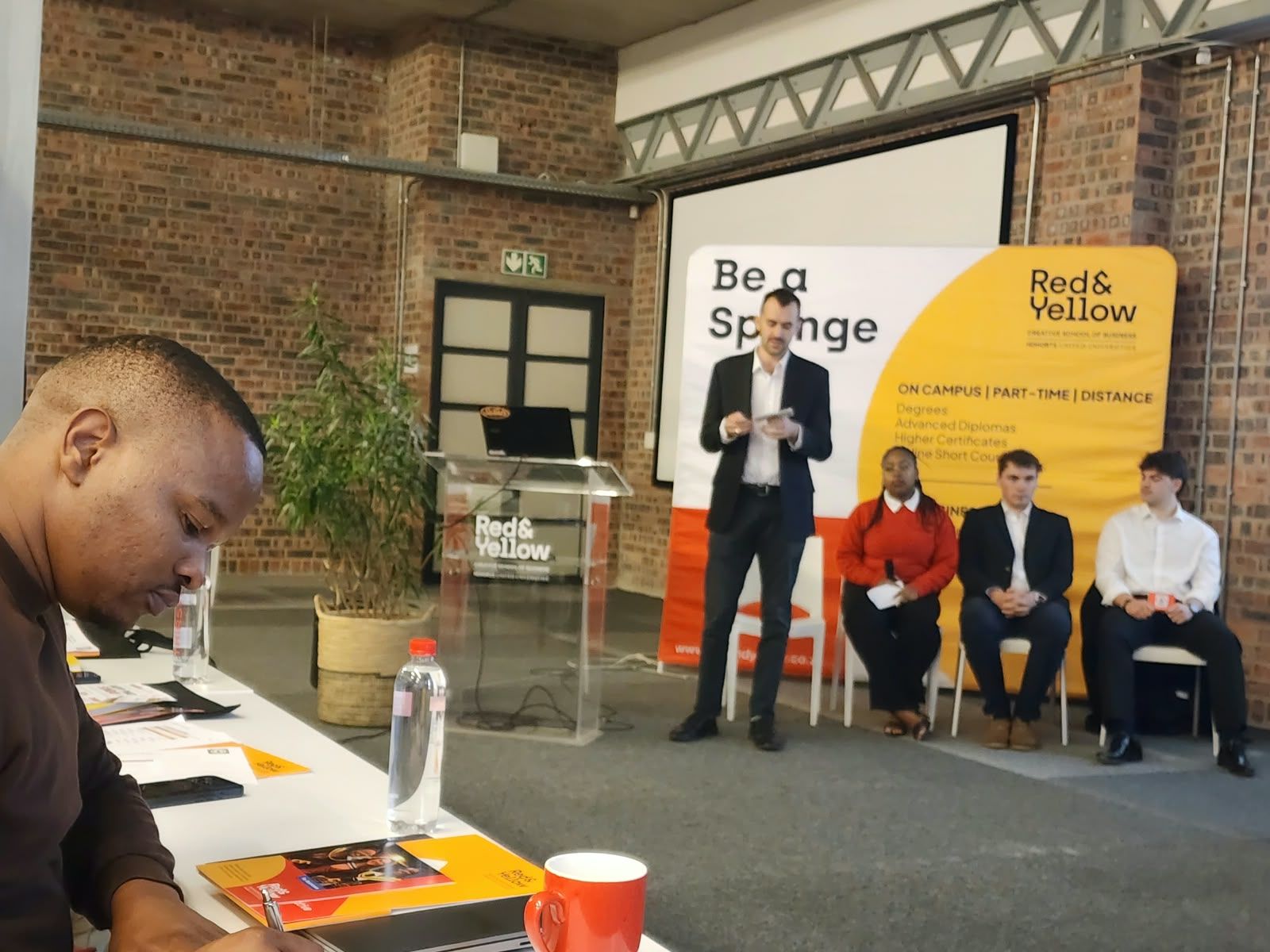
This year, the Challenge was bigger than ever. The 2026 edition expanded to five live clients across our on-campus and distance BCom cohorts: Freddy Hirsch, Greater Tygerberg Partnership, Ivodent, SPAR Sonstraal and Oryx Desert Salt.
Each brought a very different challenge to the table, giving students the chance to apply what they’ve learned to the kinds of questions marketers are dealing with every day. Working in teams, students spent time understanding the business behind each brief before developing solutions that needed to make sense strategically, creatively and commercially.
For Freddy Hirsch, the challenge centred on the launch of its new SuperSport Schools spice blend. Students were tasked with developing messaging that communicated why the brand matters, alongside a practical rollout strategy across 14 regions and ideas to keep building momentum after launch.
The Greater Tygerberg Partnership (GTP) brief turned their attention to Bellville. Drawing on GTP’s work across economic growth, environmental sustainability and placemaking, students explored the people, stories and progress shaping the area. From there, they developed campaign thinking aimed at changing perceptions and showing people more of what Bellville has to offer.
Ivodent presented a different marketing problem. Predominantly known in the professional dentistry market, the business is looking at how it can make its portfolio of dental brands more visible and relevant to everyday consumers. Students explored how digital marketing, consumer engagement and brand strategy could help Ivodent make that move from B2B towards B2C.
Our distance BCom students, meanwhile, worked with Oryx Desert Salt on a challenge that brought brand loyalty, sustainability and consumer behaviour together.
A central part of the brief was Oryx’s refillable grinder system. Its ceramic grinder heads can be reused 20 times or more and, unlike plastic mechanisms, don’t grind plastic into food. According to Oryx, its refill model helped prevent more than 1.24 million bottles and grinder heads from going to landfill in the past year alone.
Students had to find ways to turn those sustainability credentials into a compelling reason to choose the brand, while encouraging consumers to reconsider established salt-buying habits and building longer-term preference for Oryx.
Together with a live brief from SPAR Sonstraal, the Challenge exposed students to a broad range of problems facing brands today, from launching new products and reaching new audiences to shifting perceptions, changing consumer behaviour and finding sustainable ways to grow.
Taking the work from classroom to client
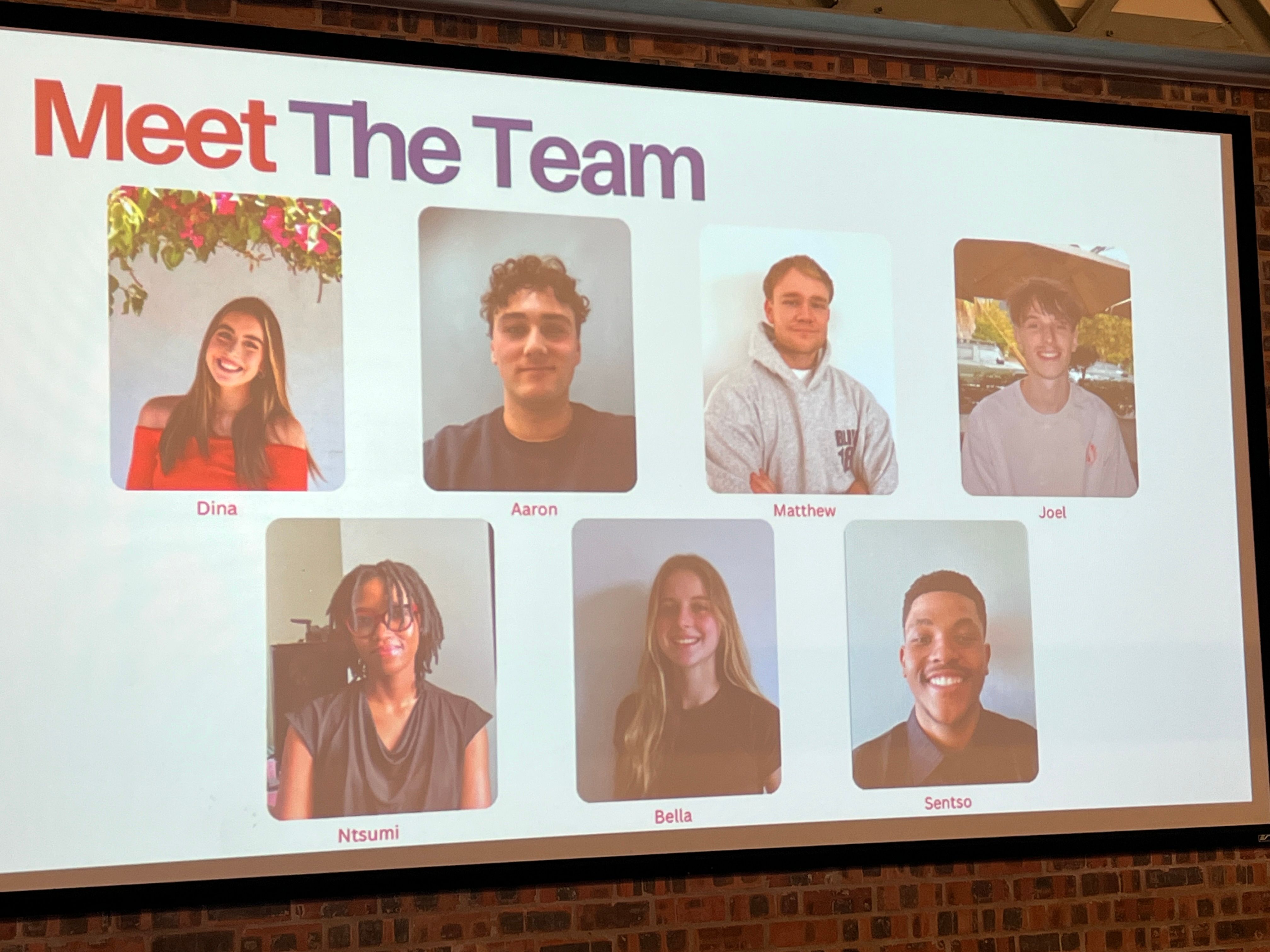
Of course, coming up with the idea was only part of the process. Students first presented their thinking internally and received feedback from lecturers and staff. They then went back to the work, refined their recommendations and prepared to present directly to the people who had set the briefs.
That final client presentation is an important part of the Challenge because students have to do more than explain their thinking. They need to defend their decisions, communicate clearly and show how their ideas could work in the context of a real business.
For Amy Wentzel from the Greater Tygerberg Partnership marketing team, the quality of the students’ response stood out.
“We’ve spoken to so many agencies over the last couple of months and many of them did not get the brief right. Here we had students that came in, understood the brief, didn’t overcomplicate it, kept it sharp, kept it clean.”
It’s a strong example of what we mean when we talk about bringing Creative Magic and Commercial Logic together.
For our distance students, the Oryx Desert Salt brief also brought another dimension to the Challenge. The team collaborated remotely from different locations and time zones, with students taking part from as far away as the United States. That meant figuring out how to share ideas, divide responsibilities and bring different perspectives together into one cohesive piece of work without everyone being in the same room. It’s a way of working that increasingly reflects the reality of modern teams, and the students rose to the challenge.
Samantha Skring, Founder and CEO of Oryx Desert Salt, praised the final presentation, saying: “The presentation was well laid out and organised; the sequence and flow of the different segments was logically set out and engaging to watch.”
Bringing industry into the learning experience
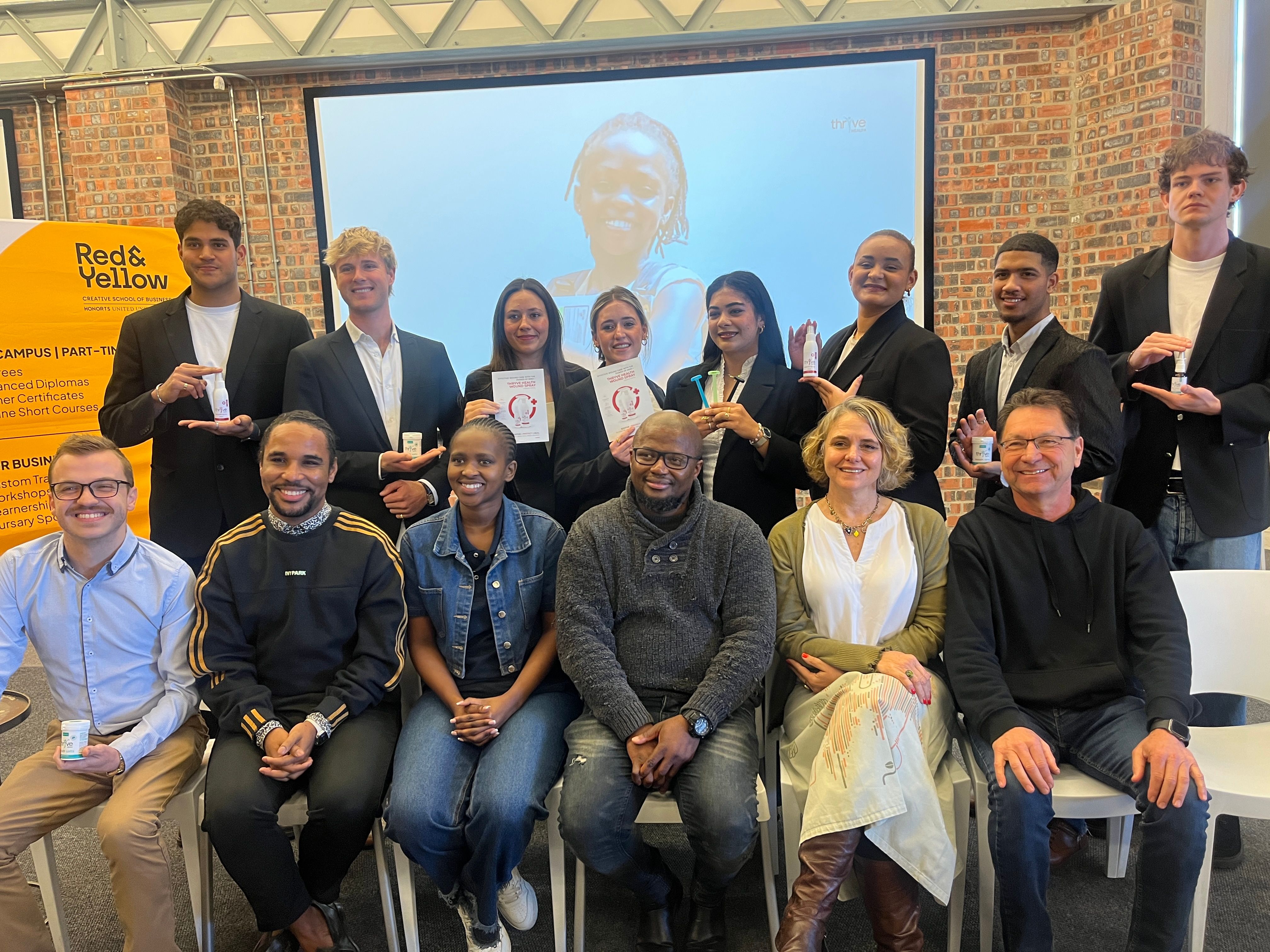
The value of the Innovation Challenge comes from giving students experience that is difficult to replicate through a hypothetical assignment. A real client has real objectives, constraints and expectations. The brief can change as you understand the problem better, ideas have to stand up to scrutiny and the final recommendation needs to work beyond the presentation deck.
Through our relationships with industry, our students engage with real brands, real businesses and the people behind them from day one. The Innovation Challenge takes that approach even further, giving BCom Marketing students the opportunity to see what happens when the theory they’ve spent years learning meets the complexity of a real business challenge. And, importantly, they get to do all of that before they graduate.